
Cracked Heels Solution & Deep Fissure Care in Rockville, MD
Serving Rockville, Bethesda, North Bethesda, Gaithersburg, Silver Spring, Potomac and the wider Montgomery County area.
Restore Severely Cracked Skin
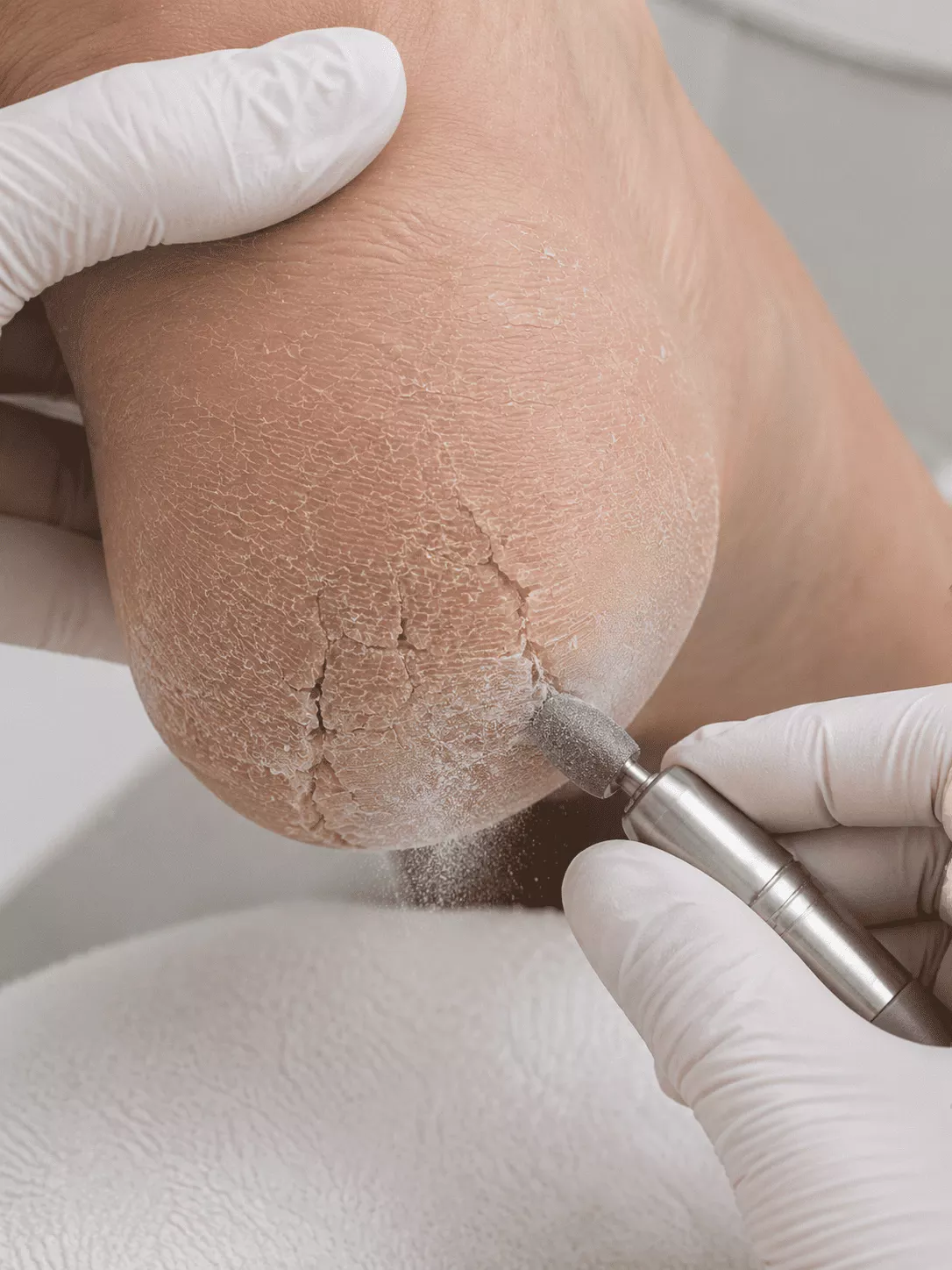
Deep heel fissures are not just a cosmetic issue — they can be painful and can leave openings for bacterial or fungal infections. Our Cracked Heels Solution is a thorough cosmetic approach to dry, split, and bleeding heels. We focus on the safe mechanical reduction of thickened skin around the cracks.
We use professional e-file exfoliation combined with deep moisturizing protocols formulated to support severely cracked skin. By carefully smoothing the hard edges of the fissures, we relieve the tension that causes skin to split further when you walk. Clients from Rockville, Bethesda, North Bethesda, Gaithersburg, and Silver Spring regularly tell us they feel noticeable improvement after just one session, with ongoing care supporting lasting results.
Benefits of Our Advanced Protocol
- Hardware exfoliation: Safe e-file removal of hardened skin edges to help prevent further cracking. Part of our specialized foot care.
- Deep hydration: Professional moisturizing protocols to support skin elasticity.
- Hygienic care: Proper cleaning around deep fissures to reduce exposure to external pathogens.
- Immediate comfort: Most clients feel noticeable relief from pressure and discomfort after a single session.
The Three-Step Restorative Approach
Fissure Evaluation
We carefully inspect the depth and severity of the cracks to determine the safest and most effective method for skin reduction.
Professional Exfoliation
Using specialized e-file hardware, we gently buff away the hard, callused borders of the cracks, easing tension so the skin can begin to close naturally.
Moisturizing & Occlusion
We apply deep-penetrating restorative ointments and, where appropriate, protective dressings to lock in moisture and support the skin's recovery.
Why Do Heels Crack in the First Place?
Deep heel fissures usually appear when the skin around the rim of the heel becomes thickened (hyperkeratosis) and loses its natural elasticity. When you stand or walk, the fat pad under your heel expands sideways. If the surrounding skin is too dry and rigid to stretch, it splits open under the pressure.
Footwear Habits
Open-back sandals, flip-flops, or walking barefoot let the heel pad expand outward without support, increasing the risk of splitting.
Systemic Dryness
Diabetes, hypothyroidism, and natural aging can reduce sweat gland activity, leaving the skin chronically dehydrated and brittle.
Biomechanics
Prolonged standing on hard surfaces or carrying extra weight multiplies the downward pressure on the heel pad, forcing rigid skin to crack.
Why At-Home Scrubbing Makes It Worse
The most common mistake is aggressively scrubbing cracked heels with a pumice stone, a metal "cheese grater," or a harsh foot file in the shower.
Why it fails: Aggressive friction generates heat and micro-trauma. Your body reads this as an attack and triggers a defensive response — skin cells multiply and grow back even thicker and harder to protect the heel. Our e-file technique uses specific speeds and ceramic/diamond bits that reduce the callus without triggering that defensive response.
Cracked Heels by Severity: The Four Stages
Heel cracks are not one problem at one severity. They escalate through four distinct stages, and the right approach depends on which one you are at. Self-treatment that works fine at stage 1 is useless at stage 3 — and dangerous to attempt at stage 4.
Dry Heels
What you see: rough, dry skin around the heel edge. No visible cracks. Mild flaking.
What works: daily moisturizer with urea 10%, drinking more water, switching from open-back shoes to closed. Professional care is not necessary yet.
Hyperkeratosis (Callus Buildup)
What you see: yellowish-white thickened skin ring around the heel, no open fissures but the surface looks "leathery."
What works: pumice + heavy moisturizer plateaus quickly. Mechanical reduction by a foot-care specialist clears the thickened layer in one session and lets moisturizer actually penetrate. This is the stage where most people first try our service.
Visible Fissures
What you see: open cracks 1–3 mm deep. Discomfort when walking on hard floors. Catches on socks.
What works: creams alone cannot close stage-3 fissures — they sit on top and never bridge the gap. The fissures must be sealed mechanically first (occlusive padding or our restorative protocol), then medicated. Trying to "wait it out" usually takes the cracks into stage 4.
Bleeding or Infected Fissures
What you see: open, painful, sometimes bleeding cracks. Possibly redness, warmth, or discharge — signs of bacterial infection.
What you need: medical attention first. A podiatrist or urgent-care visit for any signs of infection. Cosmetic restorative care comes after medical treatment closes the wound and clears any infection.
Why Drugstore Creams Plateau After Week Two
If you have ever bought a "miracle" heel balm, felt 30% improvement in week one, then watched results stall — there is a biological reason. Heel skin protects itself with a thickening response. The harder you walk, the harder the callus grows. Creams work on the top 200 microns of skin; the callus is 2,000–4,000 microns deep.
The plateau happens like this:
- Days 1–10: The cream softens the surface 1–2 mm of dead skin. You notice real improvement. Cracks look shallower.
- Days 10–21: The cream reaches its absorption ceiling. New callus is still being produced beneath the softened surface as fast as the cream softens what is on top.
- Day 21+: Steady-state. The fissures stay roughly where they are. Some people interpret this as "the cream stopped working." It did not — it just hit a depth limit.
The fix is not a stronger cream — it is mechanical reduction of the underlying callus so the cream finally has live skin to work on. That is exactly what our protocol does.
When Cracked Heels Are Not Just Dry Skin
Most heel cracks are mechanical — pressure, friction, dehydration. But some look identical and are actually the symptom of an underlying condition. Three to watch for:
Athlete's foot
Moccasin-type tinea pedis causes dry, scaly, cracked skin specifically on the soles and heels — looks like ordinary dryness but never fully resolves with moisturizer. If your "dry heels" peel in fine flakes and itch faintly, suspect fungus.
Diabetes
Diabetes causes nerve-related sweat-gland dysfunction; the skin literally cannot retain moisture. Heel cracks in diabetic clients heal more slowly and have higher infection risk. Always coordinate with a physician.
Eczema or psoriasis
Both can produce thickened, cracking heel skin. Tell-tale clues: matching symptoms elsewhere on the body, family history, intense itching. Needs a dermatologist diagnosis, not just foot care.
Frequently Asked Questions
Will the procedure hurt if my cracks are deep or bleeding?
How many sessions will it take to close the fissures completely?
What should I do at home between appointments?
Can cracked heels be a sign of a larger health issue?
Do you serve clients from Bethesda, Gaithersburg, and Silver Spring?
Do you serve clients from Baltimore?
*Disclaimer: MedPedicure Center provides cosmetic foot care, aesthetic restoration, and general wellness services. We do not diagnose, treat, or cure medical conditions or diseases. Clinical terms used on this page (such as hyperkeratosis) are for general informational context only. If you are experiencing severe pain, active infections, suspected fungal disease, diabetic foot complications, or any condition that may require medical treatment, please consult with a licensed medical doctor or podiatrist.
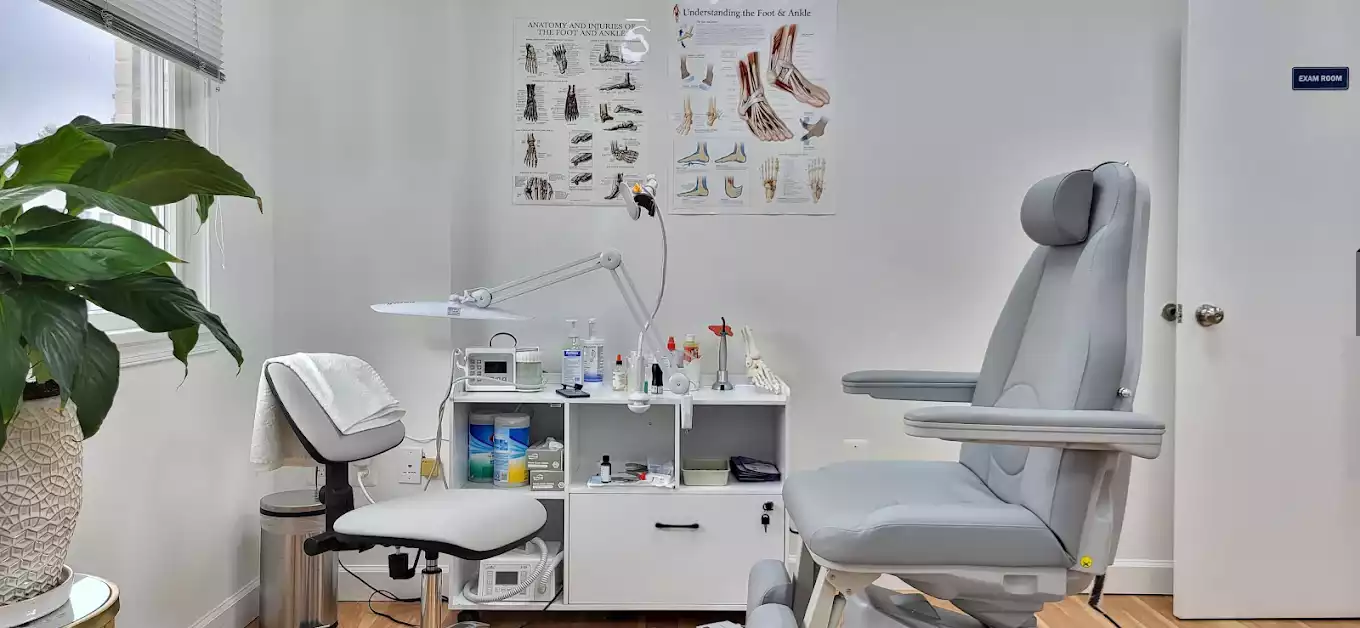
Noticeable improvements after just one session.